
Custom Sushi Boxes | Printed Sushi Packaging Solutions
Explore custom sushi boxes for restaurants, takeaways, and food brands. Discover packaging materials, sizes, inserts, printing, and wholesale options.

Sushi is known for its careful preparation, attractive presentation, and variety of ingredients. Packaging plays an important role in maintaining that presentation when sushi is prepared for takeaway, delivery, catering, or retail display. Well-designed sushi boxes provide an organized space for rolls, nigiri, sashimi, and assorted combinations while making food easier to carry and serve. Restaurants and food businesses can select packaging that suits their menu, portion sizes, and service requirements.
Custom sushi boxes also give businesses an opportunity to build brand recognition through their packaging. A restaurant logo, brand colors, and carefully selected design elements can create a consistent appearance across takeaway orders. Whether a business serves individual sushi portions or larger party platters, the right packaging can support an attractive and convenient customer experience.
Why Sushi Packaging Boxes Matter for Food Businesses
Sushi packaging needs to balance presentation, convenience, and practical food handling. Unlike many other takeaway meals, sushi often contains several small pieces that need to remain arranged during transportation. A suitable box can help separate different varieties, reduce unnecessary movement, and provide enough room for the selected portions.
Restaurants, sushi bars, supermarkets, and catering companies use sushi packaging boxes for different service requirements. Smaller containers may be suitable for individual rolls, while larger formats can accommodate mixed selections and family portions. The packaging should be selected according to the food being served, the expected transport conditions, and the restaurant's handling procedures.
Choosing the Right Materials for Sushi Boxes
Material selection affects the appearance, strength, and intended use of sushi boxes. Paperboard packaging can offer a printable surface for restaurant branding and product information. It is available in different thicknesses and constructions, allowing businesses to choose an option based on the weight and size of their food portions. However, paperboard intended for general packaging is not automatically suitable for direct food contact.
Plastic sushi food containers are another option commonly considered for takeaway and refrigerated display applications. Some designs include transparent lids that allow customers to see the sushi arrangement without opening the package. Businesses should confirm that the container is suitable for the intended food-contact conditions and storage temperatures.
For environmentally conscious packaging plans, businesses may also explore paper-based or other alternative materials. The actual environmental performance depends on material composition, coatings, adhesives, disposal facilities, and local recycling or composting systems. Packaging claims should be checked against supplier documentation rather than assumed from appearance alone.
Different Types of Sushi Takeaway Boxes
Sushi takeaway boxes are available in different shapes and configurations to accommodate various menu items. Rectangular containers are useful for arranging sushi rolls, nigiri, and mixed selections in organized rows. Compact boxes can serve individual portions, while larger containers provide space for assorted combinations and sharing platters.
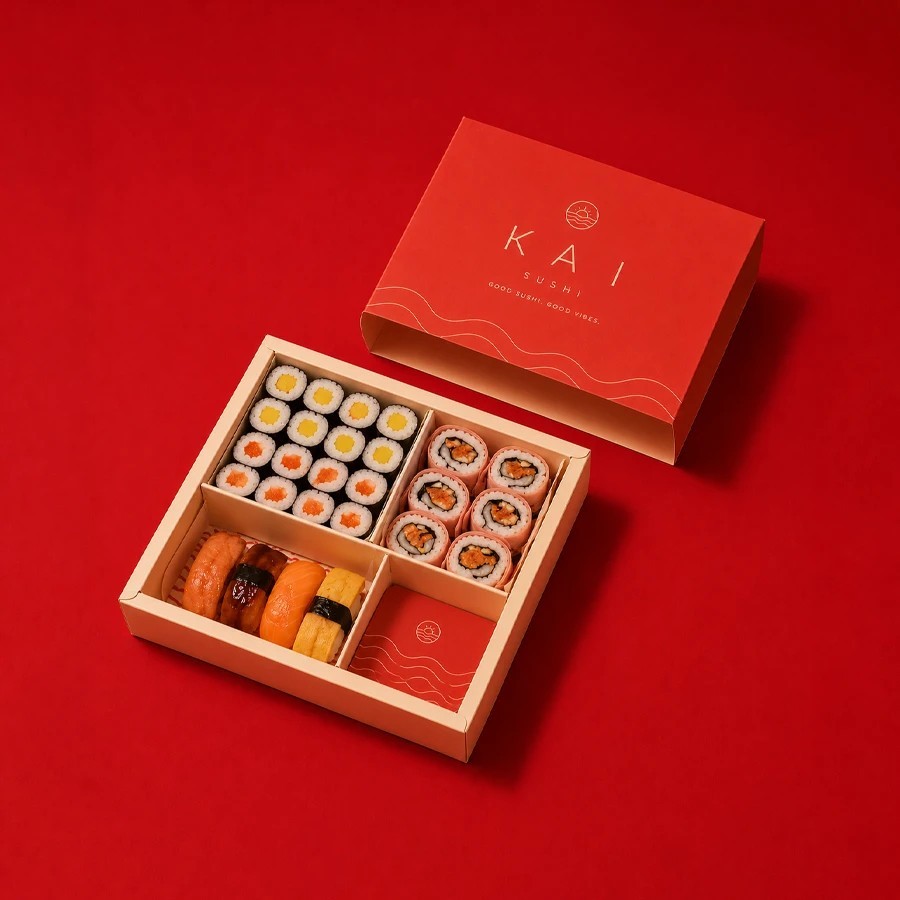
Compartment-style containers can help keep different food items separated. This may be useful when a meal includes sushi alongside garnishes, sauces, or other menu components. Businesses should consider the dimensions and depth of each section before choosing a design, ensuring that the container accommodates the actual portion without unnecessary pressure on the food.
Sushi Boxes with Lids for Convenient Transportation
A suitable lid is an important part of sushi packaging because it helps contain the food during storage and transportation. Sushi boxes with lids may use attached closures, separate lids, or locking features, depending on the packaging design. A properly matched lid can help reduce accidental opening and limit exposure during normal handling.
Clear lids are particularly useful for retail displays because customers can view the product before purchasing. They can also make assorted sushi selections easier to identify. However, a lid alone does not guarantee an airtight or leakproof package. Businesses should test the complete container under their actual handling and delivery conditions.
Custom Printed Sushi Boxes for Restaurant Branding
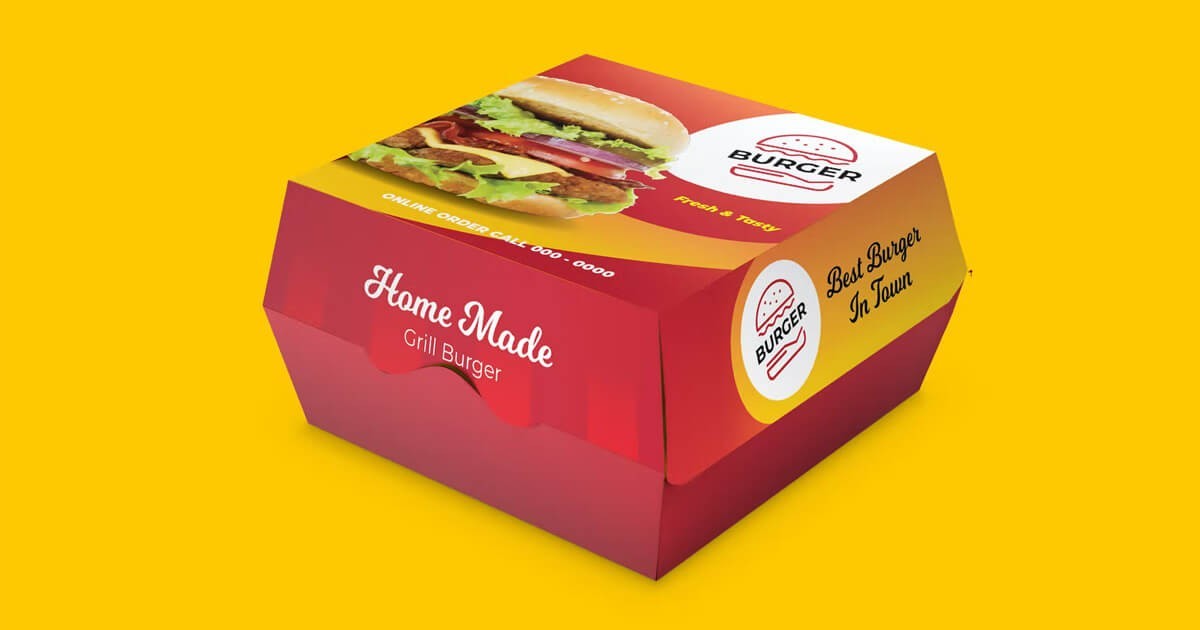
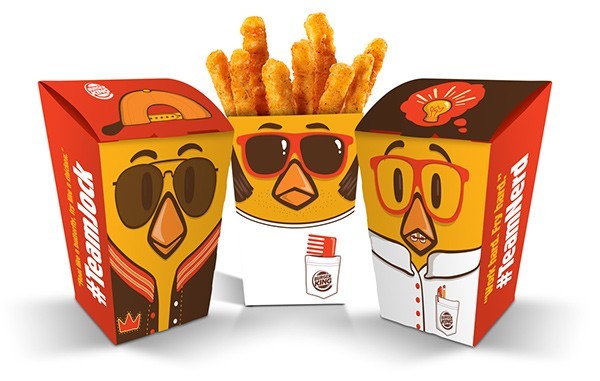
Custom printed sushi boxes help restaurants create a recognizable packaging style. A business can include its logo, brand colors, website, contact information, and other suitable design elements. Consistent printing across takeaway containers, bags, and promotional materials can make the overall customer experience feel more professional.
Printed sushi boxes can also be designed for specific occasions or menu collections. Seasonal artwork, limited-edition designs, and promotional messages can give packaging a fresh appearance without changing the food itself. Before production, businesses should confirm that inks, coatings, and other packaging components are appropriate for the intended food-contact application.
Designing Sushi Trays for Different Menu Options
Sushi trays are useful for arranging multiple pieces in a neat and visually appealing layout. The number of compartments, tray depth, and available surface area should match the restaurant's menu. A tray designed for sushi rolls may not be ideal for delicate nigiri or larger specialty pieces, so testing different formats can help identify the most practical option.
Restaurants selling assorted platters should consider how the pieces will be positioned and whether garnishes need separate spaces. The packaging should allow enough room to avoid crushing or disturbing the arrangement. Inserts and dividers can provide additional organization when the design is suitable for the food and the intended handling conditions.
Disposable Sushi Boxes for Takeaway and Delivery
Disposable sushi boxes are often selected by restaurants that need convenient packaging for individual orders and high-volume takeaway services. They can reduce the need to collect and wash reusable containers, although businesses should consider waste-management requirements and the materials used.
When selecting disposable packaging, restaurants should evaluate strength, closure design, storage requirements, and food-contact suitability. The container should remain practical throughout the normal preparation and delivery process. It is also important to remember that packaging does not replace proper refrigeration, temperature control, or safe food-handling practices for sushi.
Ordering Sushi Boxes Wholesale
Custom Boxes purchasing can help restaurants, catering services, and food retailers maintain a consistent packaging supply. Bulk ordering may offer a lower unit cost, but the final price depends on material, dimensions, design, printing, order quantity, and supplier specifications.
Before placing a wholesale order, businesses should estimate their regular packaging needs and compare suitable options. Ordering a sample can help assess the container's fit, lid closure, material quality, and presentation. Businesses should also confirm storage requirements and delivery timelines to avoid running short during busy service periods.
How to Choose the Best Custom Sushi Packaging
The best packaging depends on the menu, service model, and customer expectations. A restaurant focused on takeaway orders may prioritize secure closures and easy stacking, while a supermarket may prefer transparent lids for product visibility. Catering businesses may need larger formats that can hold assorted portions in an organized arrangement.
Before finalizing a design, measure the food portions and test the packaging with the actual menu items. Check the lid fit, available space, resistance to normal handling, and compatibility with the intended storage conditions. These practical checks help businesses select custom sushi packaging that supports both food presentation and daily operations.
Frequently Asked Questions About Sushi Boxes
1. What are sushi boxes used for?
Sushi boxes are used to package sushi rolls, nigiri, sashimi, and assorted sushi portions for takeaway, delivery, catering, and retail display.
2. What materials are available for sushi packaging boxes?
Common options include suitable food-contact plastics and paper-based packaging. The right choice depends on the food, storage conditions, packaging construction, and supplier specifications.
3. Are sushi boxes with lids suitable for delivery?
They can be suitable when the container and lid are designed for the intended use. Businesses should test closure security and handling performance before using them for regular delivery orders.
4. Can I order custom printed sushi boxes?
Yes. Many packaging suppliers offer printing options that allow restaurants to add logos, brand colors, and other design elements, subject to minimum order quantities and printing specifications.
5. Are disposable sushi boxes available in different sizes?
Yes. Disposable containers are available in different dimensions and configurations for individual servings, sushi rolls, and assorted portions.
6. Can sushi boxes include separate compartments?
Yes. Some packaging designs include compartments or inserts to organize different sushi varieties and accompanying items.
7. Are transparent sushi containers useful for retail displays?
Transparent lids can improve product visibility and allow customers to view the sushi arrangement. The packaging must still meet the retailer's food-contact and storage requirements.
8. Can I purchase sushi boxes wholesale?
Many suppliers offer bulk purchasing options. Prices depend on material, size, design, printing, quantity, and delivery requirements.
9. How do I choose the right sushi packaging?
Consider portion size, food arrangement, material suitability, lid design, storage conditions, transportation, and branding requirements. Testing a sample with actual menu items is recommended before ordering in bulk.







Facebook Conversations