Facility Management Systems for Maintenance and Asset Tracking
Learn how facility management systems help businesses schedule maintenance, track assets, monitor equipment performance, and improve building operations.

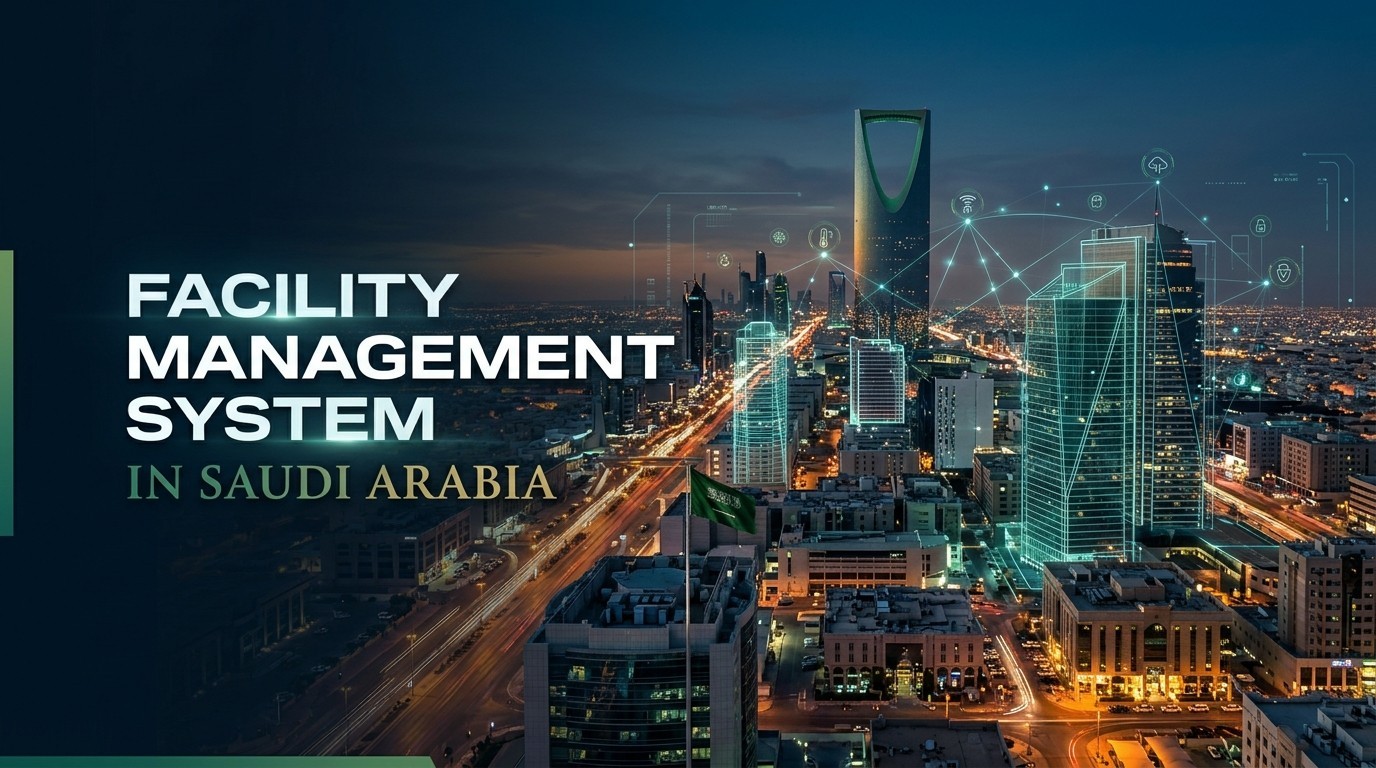
Managing buildings, equipment, and maintenance activities requires careful planning, especially when an organisation operates several facilities or handles a large number of assets. A Facility Management System In Saudi Arabia can help businesses organise maintenance schedules, track equipment, manage service requests, and keep records of building operations in one place. From commercial offices and hospitals to warehouses, residential properties, and industrial facilities, having accurate information helps facility teams respond to problems and make better maintenance decisions.
When maintenance records are scattered across spreadsheets, emails, and paper documents, it becomes difficult to know which equipment needs servicing, what repairs have already been completed, and where company resources are being spent. A suitable system brings these details together, allowing managers and technicians to coordinate their work more effectively. For organisations in Saudi Arabia, this can be particularly useful when managing multiple properties, coordinating contractors, and maintaining essential building services.
What Is a Facility Management System?
A Facility Management System is a set of processes and digital tools used to manage buildings, equipment, maintenance tasks, and supporting services. It helps facility managers oversee daily operations while keeping track of the assets that need regular attention.
Depending on the software, it may include maintenance scheduling, asset registers, work orders, service requests, inventory records, contractor management, and performance reports.
For example, consider a commercial building in Riyadh with several air conditioning units, elevators, water pumps, electrical panels, and fire safety systems. Each asset has different maintenance requirements. If the facility team manages everything manually, it may be difficult to remember service dates or locate previous repair records.
A digital system can store each asset's details, record its maintenance history, and help the team schedule upcoming work. When a technician needs information about a particular unit, they can check its record instead of searching through several files.
The purpose is simple. A facility team should be able to understand what it manages, what needs attention, and which tasks must be completed next.
Why Maintenance and Asset Tracking Matter
Maintenance and asset tracking are closely connected, but they serve different purposes. Maintenance focuses on keeping equipment and building systems in good working condition. Asset tracking helps an organisation identify its assets, record their locations, and monitor their condition and history.
When both activities work together, managers can make better decisions about repairs, replacement, budgets, and resource allocation.
Reduce unexpected equipment failures
Unexpected failures can interrupt business operations and create additional costs. If an air conditioning unit stops working in a busy office or a water pump fails in a residential building, the facility team may need to arrange urgent repairs.
Regular inspections and preventive maintenance can help identify problems before they develop into major failures. A system that records service history and upcoming maintenance dates makes it easier to plan this work.
Maintain accurate asset records
Organisations may own hundreds or thousands of assets across different locations. Without reliable records, employees can struggle to identify equipment, confirm its condition, or find the documents associated with it.
An organised asset register can include an asset's name, identification number, location, installation date, manufacturer, warranty information, and maintenance history.
These details help managers understand what they own and what resources are required to maintain it.
Control maintenance spending
Maintenance budgets often include labour, spare parts, contractor charges, inspections, and equipment replacement. When these costs are recorded consistently, managers can compare spending across assets and facilities.
For example, if the same pump requires frequent repairs, the maintenance history may help the team decide whether continued repairs are reasonable or whether replacement should be considered.
How Facility Management Software Supports Daily Operations
Facility Management Software gives managers and technicians a shared place to organise maintenance requests, assign work, update records, and review progress.
Instead of relying on phone calls or separate spreadsheets, a facility team can use the system to track tasks from the moment a problem is reported until the work is completed.
Manage maintenance requests
Employees, tenants, or building users may report problems such as leaking pipes, broken lights, faulty doors, or uncomfortable indoor temperatures.
A maintenance request feature allows the responsible team to record these issues and decide what needs attention first. Depending on the system, managers may classify requests by urgency, location, asset type, or service category.
This helps teams distinguish between routine requests and issues that require an immediate response.
Assign and monitor work orders
A work order describes the maintenance work that needs to be carried out. It may include the problem, location, assigned technician, required materials, priority, and expected completion date.
For example, if a building's water pump develops a fault, the facility manager can create a work order and assign it to the appropriate technician. The technician can update the status, record the work performed, and note whether replacement parts were required.
The completed record then becomes part of the asset's maintenance history.
Improve communication between teams
Facility management often involves several people, including maintenance technicians, supervisors, cleaning teams, security personnel, and external contractors.
A shared system helps everyone understand which tasks are assigned, which are in progress, and which require further action. It can also reduce repeated requests and confusion about responsibility.
However, software works best when employees update records consistently and managers establish clear procedures for handling requests.
The Role of Maintenance Management Software
Maintenance Management Software helps organisations plan, schedule, and monitor the work required to keep equipment and building systems operating properly.
One important function is preventive maintenance. Rather than waiting for equipment to fail, the facility team schedules servicing, inspections, and component checks based on the manufacturer's guidance, operating conditions, risk, and maintenance history.
For example, a facility may schedule regular inspections of air conditioning equipment, test emergency lighting, inspect water pumps, and arrange servicing for elevators through qualified providers.
A maintenance calendar can help managers see upcoming tasks and identify overdue work. Some platforms also send reminders or generate work orders automatically according to predefined schedules.
Maintenance records are equally important. If a technician replaces a component, records the equipment condition, or identifies a recurring fault, that information can guide future maintenance decisions.
Preventive maintenance does not eliminate every failure. Equipment can still break unexpectedly, and schedules may need to change when operating conditions change. However, a well-organised process helps the team make informed decisions instead of relying entirely on emergency repairs.
How Asset Tracking Software Helps Manage Equipment
Asset Tracking Software helps organisations maintain visibility over their physical assets and their locations.
In a large facility, equipment may be spread across floors, departments, storage areas, or several buildings. Staff may also move portable equipment between locations, making manual tracking difficult.
A tracking system can assign each asset a unique identification number and store its details in a central register. Depending on the platform, assets may be identified using barcodes, QR codes, RFID tags, or other identification methods.
Know where assets are located
Suppose a hospital or hotel has portable equipment that moves between departments. If the location is not updated when an item moves, staff may waste time searching for it.
An asset tracking process helps employees record where equipment is kept and who is responsible for it. This can make routine checks and equipment handovers easier to manage.
Review asset condition and history
Asset records can include inspection results, repair history, warranty details, and information about previous faults. These records help facility managers understand which equipment requires attention.
When a problem occurs repeatedly, the team can review the history before deciding whether further repairs, additional inspections, or replacement may be appropriate.
Support asset lifecycle planning
Assets have a lifecycle that includes acquisition, installation, operation, maintenance, and eventual replacement or disposal.
Reliable records help managers estimate future maintenance needs and plan budgets. They can also help identify equipment that is becoming unreliable or expensive to maintain.
Asset Management Software may provide broader functions for managing asset value, risk, lifecycle costs, and replacement planning, while asset tracking focuses more directly on location and identification. Some facility platforms combine both capabilities.
What Is a Facility Maintenance System?
A Facility Maintenance System focuses on the activities needed to keep a building and its equipment in suitable working condition. It can support both preventive maintenance and reactive maintenance.
Preventive maintenance is planned in advance. Reactive maintenance takes place after a fault or problem has been identified.
Both approaches have a role. Some equipment requires scheduled inspections and servicing, while other issues may only become apparent when a user reports a fault. The important point is to record the work, assess its priority, and make sure the appropriate response takes place.
A Facility Maintenance System may help teams:
Schedule routine maintenance and inspections.
Record faults and service requests.
Assign work to technicians or contractors.
Monitor spare parts and maintenance resources.
Store completed work orders and repair records.
Review outstanding tasks and recurring failures.
These functions can help managers coordinate maintenance across multiple buildings without losing sight of individual tasks.
How CMMS Software Fits into Facility Management
CMMS Software, or Computerized Maintenance Management System software, focuses primarily on organising maintenance work and maintaining equipment records.
A CMMS commonly supports asset registers, work orders, preventive maintenance schedules, maintenance histories, spare parts, and reports. These features help maintenance teams organise their workload and review how equipment performs over time.
A Facility Management System may cover a wider range of activities, such as building services, space management, cleaning, security, and contractor coordination. A CMMS may be used as a dedicated maintenance platform or as part of a broader facility management solution.
When choosing between systems, consider your main requirements. If your biggest challenge is scheduling repairs and managing equipment history, a CMMS may provide the functions you need. If you also need to coordinate several building services and operational teams, a broader facility management platform may be more suitable.
The distinction is not always exact because software providers offer different combinations of features.
Facility Management Systems in Saudi Arabia
Facility management requirements vary across Saudi Arabia depending on the type of property, its size, operating conditions, and the services it provides. Offices, shopping centres, residential developments, hospitals, hotels, and industrial sites all have different maintenance priorities.
A Facility Management System In Saudi Arabia should therefore fit the organisation's actual operations rather than follow a generic setup.
Saudi Arabia's Expenditure and Projects Efficiency Authority (EXPRO) has published a National Manual of Assets and Facilities Management for government entities. The manual covers areas such as asset management, maintenance management, work control, contracts, risk management, document management, performance monitoring, and energy management. These areas show why facility management involves more than repairing equipment. EXPRO's National Manual of Assets and Facilities Management.
When selecting software for use in the Kingdom, organisations should consider:
Multi-site management: Can the system manage several buildings, branches, or facilities?
Contractor coordination: Can teams assign work and maintain service records for external providers?
Local operational needs: Can maintenance schedules reflect the equipment, services, and working arrangements at each site?
Reporting and documentation: Can managers retrieve asset registers, work orders, and maintenance reports when required?
Language and usability: Does the system support the languages and workflows employees need?
Integration: Can it work with existing systems for procurement, inventory, finance, or building operations?
Businesses should also review applicable local requirements and their own contractual obligations. Software can support documentation and operational control, but it does not guarantee compliance by itself.
How to Choose the Right Facility Management Software
Before investing in a platform, review your current maintenance process. Identify where delays occur, how asset information is stored, and which tasks are regularly missed.
Next, create a list of essential features. A smaller property may need service requests, work orders, and preventive maintenance schedules. A large property portfolio may require advanced asset tracking, contractor management, inventory control, and reporting across multiple locations.
Ask potential providers to demonstrate real workflows. For example, request a demonstration showing how a technician receives a work order, checks the asset history, records completed repairs, and schedules the next inspection.
You should also consider data migration, employee training, mobile access, support, security, and total ownership costs. Existing asset records may need to be cleaned and standardised before they are imported into the new system.
Start with a manageable implementation plan, train the people who will use the software, and review the results after launch. A system is only useful when its records are accurate and employees follow the agreed process.
Conclusion
A Facility Management System helps organisations manage maintenance activities, track assets, and keep building operations organised. By combining asset records, work orders, preventive maintenance schedules, and service histories, facility teams can make more informed decisions about equipment, costs, and future maintenance requirements.
Facility Management Software supports daily coordination, Maintenance Management Software helps plan and monitor repairs, and Asset Tracking Software improves visibility over equipment and its location. CMMS Software can provide the maintenance-focused functions that many facility teams need.
For organisations operating in Saudi Arabia, the right solution should reflect the size of the property portfolio, the condition of its assets, local operational requirements, and the team's working practices. When accurate data is combined with regular maintenance and clear responsibilities, a suitable system can help reduce avoidable delays, improve recordkeeping, and support the long-term care of buildings and equipment.
Sources
Saudi Real Estate General Authority, Facility Management Definition
International Facility Management Association, CMMS Practical Guide
Saudi Ministry of Human Resources and Social Development, Asset and Facilities Management Improvements











Facebook Conversations