
How Branded Parchment Paper Can Transform Everyday Food Packaging
Discover how branded parchment paper enhances food presentation, strengthens brand identity, and provides practical packaging solutions for bakeries and restaurants.

Custom Parchment Paper with Logo for Professional Food Packaging
Food packaging has become an essential part of building a memorable customer experience. Whether customers purchase freshly baked pastries, takeaway sandwiches, or specialty desserts, attractive presentation can influence how they perceive a business. Thoughtful packaging communicates professionalism and helps food products stand out in a competitive marketplace.
For bakeries, cafés, restaurants, and other food businesses, packaging should offer more than visual appeal. Materials must also suit their intended food applications, support efficient preparation, and complement the establishment's overall branding. Combining these qualities creates a packaging experience that feels consistent and carefully planned.
Using custom parchment paper with logo allows businesses to incorporate their visual identity into everyday food presentation. From distinctive logo patterns to coordinated brand colours, personalized parchment paper can turn ordinary wrapping and lining materials into recognizable elements of a company's packaging collection.
The Role of Branded Packaging in Modern Food Businesses
Customers interact with packaging at several stages of their purchasing journey. They notice it when receiving an order, carrying food home, and opening the package before eating.
These interactions create opportunities for businesses to reinforce their identity through recognizable visual elements.
A consistent packaging design can help establish familiarity, particularly for businesses offering multiple products or operating through both physical locations and delivery services.
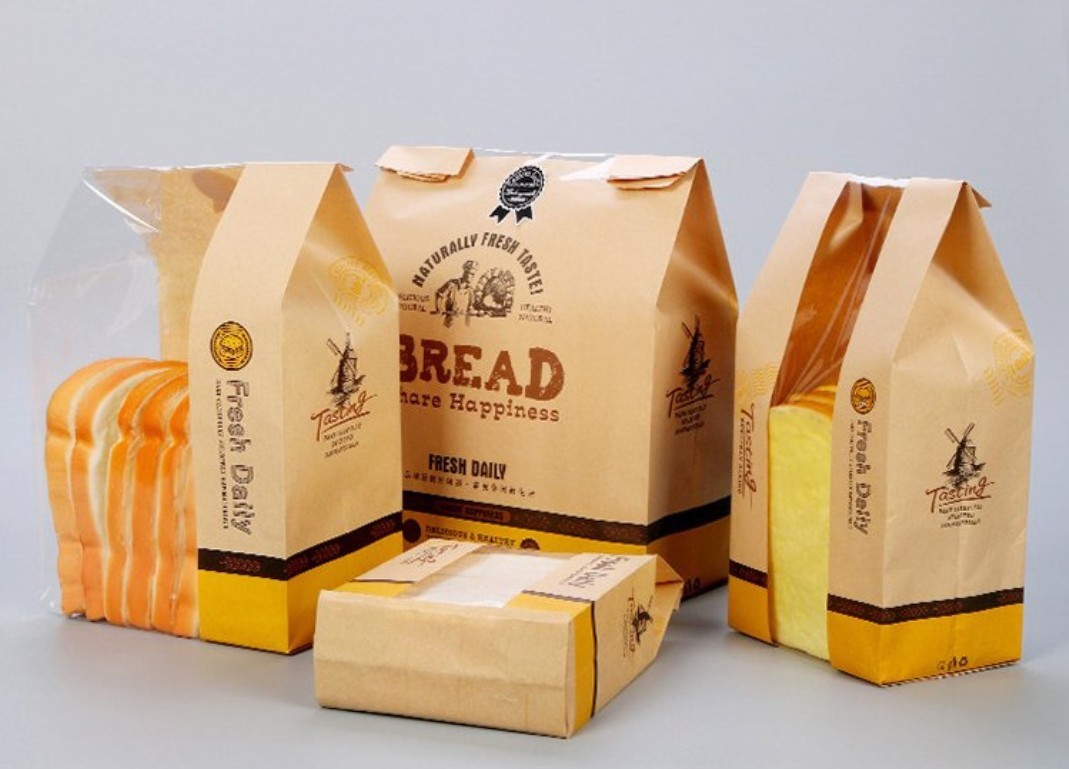
For example, a bakery might feature the same decorative pattern on its pastry boxes, takeaway bags, and printed food liners. This coordinated approach makes individual packaging components feel connected.
Branded materials can also make food photography more distinctive. When customers share pictures of their purchases, recognizable packaging may help viewers identify the business behind the product.
The objective is not to overwhelm the food with excessive graphics but to create an attractive presentation that complements the product itself.
Creating an Attractive Design That Represents Your Brand
Developing an effective parchment paper design begins with understanding the business's visual identity.
Logos, colours, typography, and decorative elements should work together to create a recognizable appearance. A simple repeating logo can provide a clean, professional finish, while illustrations or subtle patterns can introduce additional personality.
Different food businesses may benefit from different design approaches.
An artisan bakery could use delicate line drawings and understated colours to communicate craftsmanship. A contemporary café might prefer geometric graphics and bold typography to create a more energetic presentation.
When designing printed parchment paper, consider how the artwork will appear after the sheet has been folded, cut, or placed beneath food.
Large graphics may become partially hidden during use, so repeating patterns and thoughtfully positioned logos often provide greater flexibility.
Maintaining consistency with existing menus, signage, and takeaway packaging can further strengthen the overall visual experience.
Practical Applications Across Different Food Categories
Personalized parchment paper can support a variety of food-service activities when the material is manufactured for the intended application.
Bakeries may use suitable sheets for selected preparation or presentation tasks, while restaurants can incorporate branded paper into takeaway packaging and serving arrangements.
Common applications include:
Presenting cookies, pastries, and other bakery products.
Lining suitable food trays and takeaway containers.
Separating selected food items during packaging.
Adding a decorative layer to sandwich presentations.
Creating coordinated packaging for promotional food collections.
The appropriate application depends on the paper's construction, coating, printing process, and food-contact specifications.
Businesses should also distinguish between decorative printed packaging and parchment products approved for baking. A branded sheet should never be assumed oven-safe simply because it is described as parchment paper.
Checking the manufacturer's stated temperature limits and intended uses helps ensure the material is selected appropriately.
Selecting Paper Quality and Printing Specifications
Material quality plays a significant role in how packaging performs during everyday food preparation and service.
Paper thickness, surface characteristics, coating, and printing compatibility can influence its appearance and handling.
For products exposed to moisture or oil, businesses should confirm whether the chosen material provides the necessary resistance. Different grades may offer different performance characteristics, so selecting paper according to the intended food application is important.
Printing specifications also deserve careful consideration.
Logos should remain clear and recognizable, while decorative patterns should complement the paper's background. Businesses may choose minimal single-colour designs or more elaborate artwork depending on available printing options.
Before approving production, it is useful to review a sample or proof. This provides an opportunity to assess logo placement, print clarity, material texture, and overall appearance.
Food-contact suitability should also extend to the finished printed product, including any relevant inks or coatings.
How Personalized Paper Improves Customer Experience
Packaging contributes to the way customers evaluate a purchase, even when the food itself remains the main attraction.
Neatly presented products create a sense of care and attention to detail. When wrapping materials feature a recognizable brand design, the experience can feel more complete.
Personalized paper is particularly useful for takeaway orders because customers interact directly with the packaging while carrying, opening, and enjoying their food.
An attractive design may also encourage customers to photograph their purchases, creating opportunities for additional brand visibility through everyday sharing.
However, practical convenience remains essential.
Packaging should be easy to handle, appropriately sized, and suitable for the food it contains. Decorative elements should enhance the experience rather than interfere with normal use.
Businesses that balance visual appeal with functionality can create packaging that supports both customer satisfaction and brand recognition.
Choosing Suitable Sizes for Everyday Operations
Selecting appropriate paper dimensions can improve consistency across different food products.
Smaller sheets may be suitable for individual bakery items, while larger formats can accommodate substantial takeaway orders or serving presentations.
Businesses should evaluate their most frequently packaged products before deciding on dimensions.
Testing several sizes can help identify the amount of material required for attractive presentation without excessive folding or unnecessary waste.
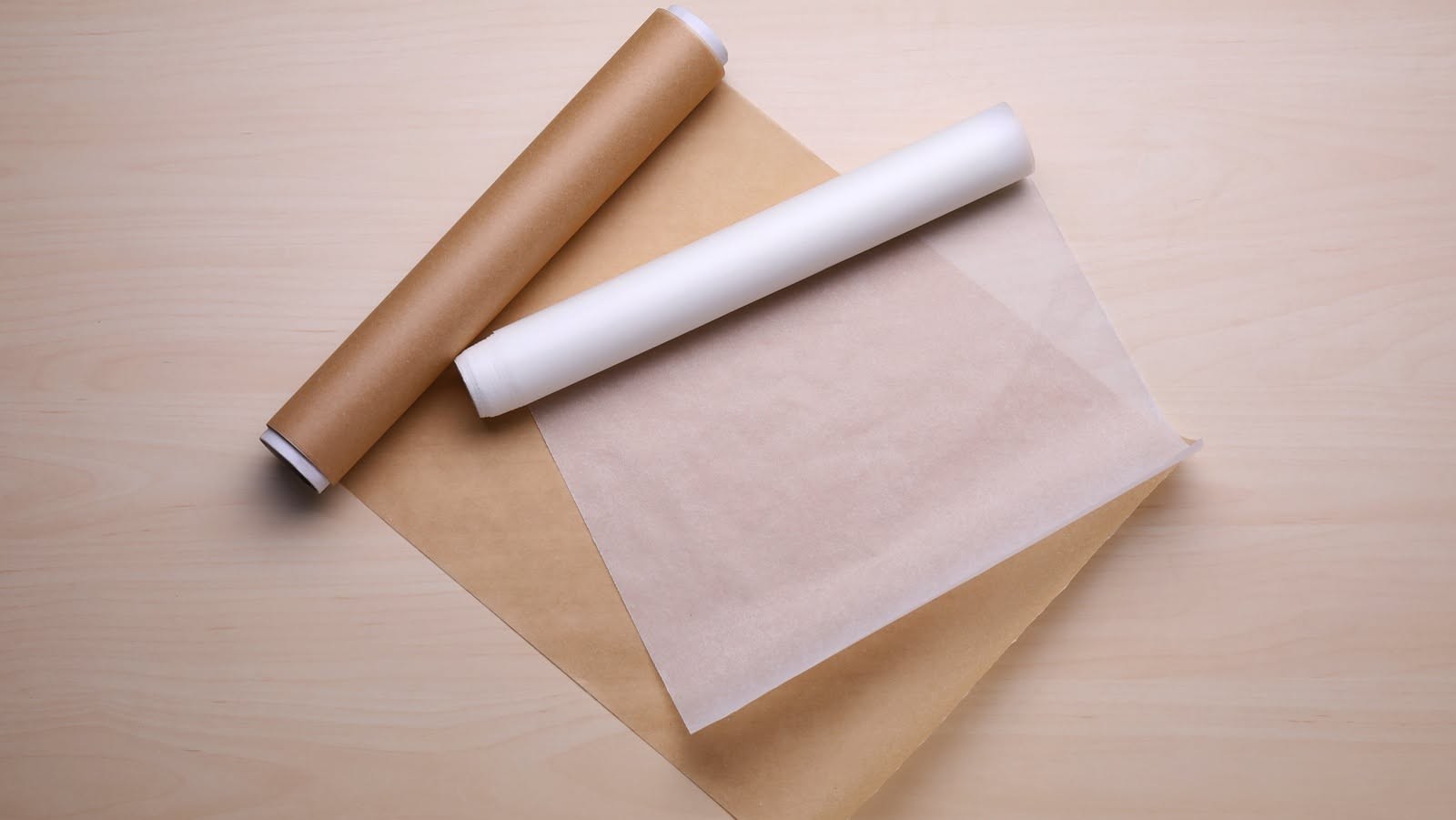
Pre-cut sheets offer convenience when packaging requirements remain relatively consistent. Roll formats, on the other hand, may provide greater flexibility for businesses handling products of varying sizes.
Storage space, preparation routines, and order volumes should also influence the final purchasing decision.
A practical packaging format helps employees maintain an organized workflow during busy service periods while ensuring that products are presented consistently.
Working with Packaging Suppliers for Consistent Results
Choosing the right packaging partner is an important part of developing a dependable branded packaging collection.
When researching greaseproof paper roll suppliers, businesses should evaluate material options, customization capabilities, printing requirements, and production consistency.
A supplier should be able to explain the available specifications and help businesses understand which materials are suitable for their intended applications.
Requesting samples can provide valuable insight into paper texture, thickness, printing quality, and handling characteristics.
Businesses should also discuss artwork requirements, minimum order quantities, delivery arrangements, and estimated production schedules before confirming an order.
For companies planning repeat purchases, consistency between production batches is especially important. Reliable colour reproduction and material specifications help maintain a recognizable packaging appearance over time.
Clear communication during the ordering process can reduce avoidable errors and support a more efficient long-term purchasing relationship.
Conclusion
Branded parchment paper offers food businesses an opportunity to combine practical packaging with thoughtful visual presentation.
By incorporating recognizable logos, selecting appropriate materials, and choosing dimensions that complement their products, restaurants and bakeries can develop a more consistent packaging experience.
Careful attention to printing quality, intended food applications, and supplier reliability helps ensure that personalized packaging supports everyday operations as well as brand recognition.
When every packaging detail works together, even a simple sheet of paper can become a meaningful part of how customers recognize and remember a food business.











Facebook Conversations