
How to Choose the Best Retaining Wall Contractors for Your Property
A contractor familiar with local requirements can identify potential construction issues before work begins.

A retaining wall does more than hold soil in place. It protects your property from erosion, manages changes in ground levels, and supports outdoor spaces. Choosing the right contractor is essential for long-term stability and safety. Before starting your project, understand what to look for, which questions to ask, and how to compare contractors.
1. Look for Relevant Experience and Expertise
Retaining wall construction requires proper planning, technical knowledge, and practical experience. Every property has different soil conditions, slopes, drainage requirements, and structural challenges. A contractor should understand these factors before recommending a suitable solution.
When comparing retaining wall contractors marin county property owners should prioritise professionals with experience handling different wall types and challenging landscapes. Their previous projects can help you understand their workmanship and ability to manage similar requirements.
Look for experience with:
Concrete retaining walls for strength and durability.
Natural stone walls for attractive outdoor spaces.
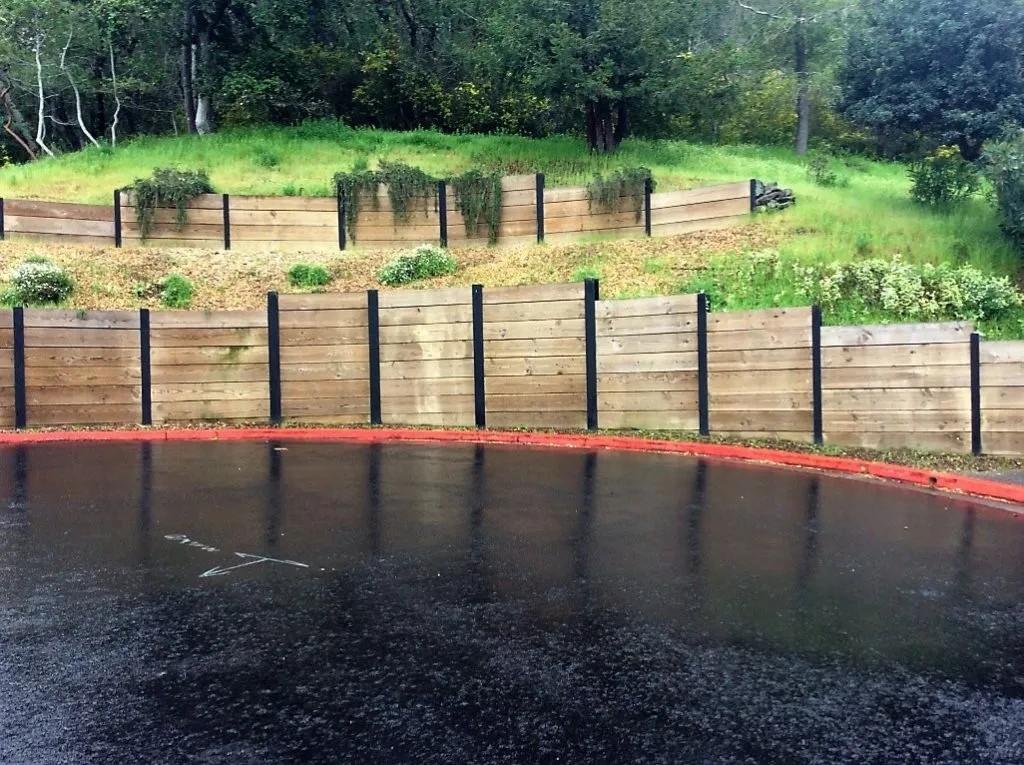
Timber retaining walls for smaller landscaping projects.
Reinforced retaining walls for properties with significant slopes.
Ask contractors about their previous projects and request photographs of completed work.
2. Check Licensing, Insurance, and Local Knowledge
Before hiring a contractor, verify their licensing and insurance. These details help protect property owners from potential problems during construction.
In California, contractors performing work that requires a licence must hold the appropriate classification through the Contractors State License Board (CSLB). Check their licence status and confirm that their insurance coverage meets your project requirements.
Local knowledge also matters. Marin County properties can have varying terrain, soil conditions, and drainage challenges. A contractor familiar with local requirements can identify potential construction issues before work begins.
Ask whether they understand local building codes, permit requirements, and applicable engineering standards.
3. Evaluate Their Drainage and Construction Approach
Poor drainage is one of the common reasons retaining walls develop problems. Water pressure can build behind the structure and cause cracking, leaning, or movement over time.
A reliable contractor should explain how they plan to manage water before construction starts. Their approach should consider the property's slope, soil conditions, and expected water flow.
Important drainage features may include:
Perforated drainage pipes behind the wall.
Gravel backfill to improve water movement.
Proper drainage outlets to redirect collected water.
Suitable waterproofing where the design requires it.
Do not choose a contractor based only on the lowest quotation. Proper drainage and construction methods are essential for protecting your investment.
4. Review Previous Projects and Customer Feedback
A contractor's previous work offers valuable insight into their reliability and construction quality. Look for completed projects that demonstrate consistent workmanship and attention to detail.
Check their website, Google Business Profile, and independent review platforms. Pay attention to feedback about communication, project timelines, cleanliness, and how contractors handle unexpected problems.
You should also request references from previous customers. Speaking with homeowners who have completed similar projects can help you understand their overall experience.
Ask whether the contractor completed the project within the agreed budget and explained any additional costs clearly.
5. Compare Detailed Quotes and Project Timelines
Request written quotations from at least two or three contractors before making your decision. A detailed estimate makes it easier to compare services and understand what each contractor includes.
Your quotation should clearly mention:
Material and labour costs.
Excavation and site preparation.
Drainage and waterproofing requirements.
Engineering and permit costs, where applicable.
Estimated project duration.
Payment terms and warranty details.
Be cautious about unusually low estimates. Some contractors may leave out essential work to make their initial pricing appear more attractive.
Choose a contractor who provides transparent pricing and realistic timelines.
6. Understand Maintenance and Related Property Repairs
Retaining walls require occasional inspections to maintain their structural condition. Cracks, leaning sections, blocked drainage outlets, and water accumulation should never be ignored.
Ask your contractor about recommended maintenance and what signs indicate potential structural problems. Addressing minor concerns early can help prevent expensive repairs later.
Property owners should also consider nearby drainage and water-related issues. For example, homeowners experiencing plumbing problems may need professional leak repair in Sausalito to identify water sources that could affect surrounding landscaping or retaining wall structures.
Understanding how different property issues interact helps protect your investment over time.
Conclusion
Choosing the right retaining wall contractor requires more than comparing prices. Focus on experience, licensing, drainage knowledge, previous projects, and transparent quotations. Take time to evaluate your options and discuss your property's specific requirements. A qualified professional can help you build a stable, durable retaining wall that protects your property and supports its long-term value.












Facebook Conversations