
Is BJJ Safe for Teenagers? Injury Prevention, Class Structure and Coaching
Look for coaches with real competition backgrounds who also know how to work with teenagers.

Parents hear plenty of mixed messages about grappling. Some picture dangerous chokes and sore joints, while others rave about the confidence it builds. The truth sits somewhere in the middle, and a lot depends on how a school runs its classes. Here's what affects safety, what good coaching looks like, and how to judge whether your teen is in the right place.
So, Is Brazilian Jiu-Jitsu Safe for Teens?
Like any physical activity, BJJ carries some risk, but it's far from the most hazardous thing a teenager can do. When you're weighing up martial arts classes for teens, the style matters less than the quality of the programme. A well-run BJJ class with sensible rules and attentive coaches can be a controlled, rewarding environment. A poorly run one can be a recipe for sprains and bad habits.
Why Grappling Has Some Built-In Advantages
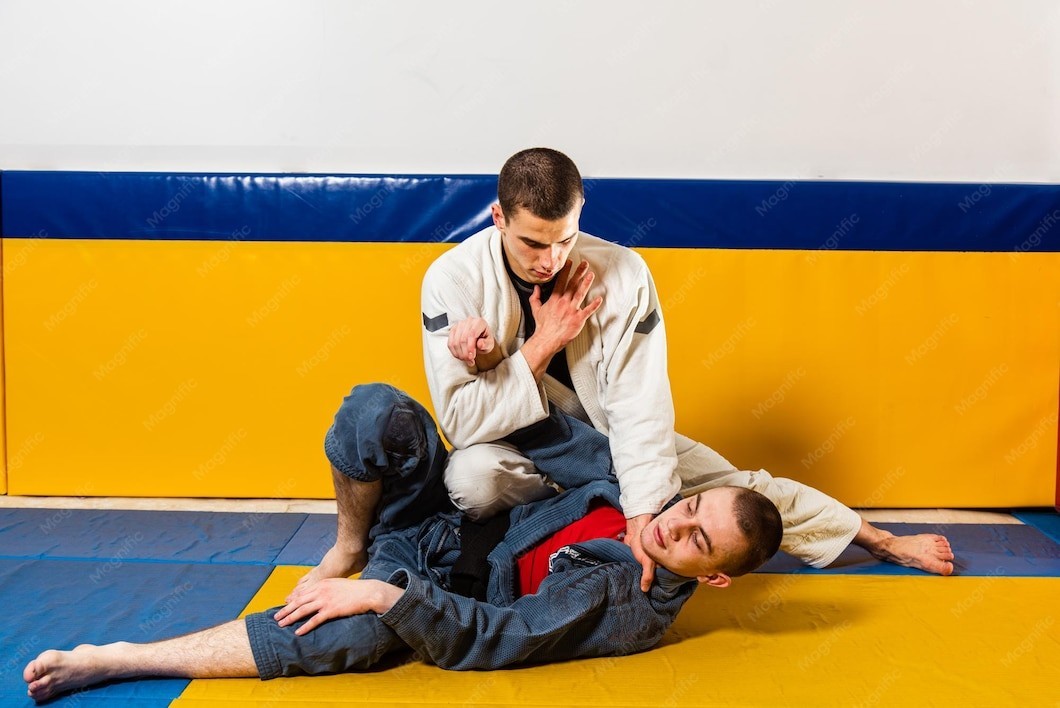
BJJ is a grappling art with no striking, so there are no punches or kicks to the head. Training focuses on positional control, escapes, and submissions, and students learn to release a hold the moment their partner taps out. That "tap" culture is the cornerstone of safe training, because it lets everyone push themselves while knowing they can stop at any time.
Where Injuries Actually Come From
Most mishaps in grappling are minor, such as sore muscles, bruises, jammed fingers and the occasional strain. They tend to happen when training gets rushed, partners are mismatched or someone ignores a tap. Teens also have growing bodies, so fatigue and overtraining matter. If your teen has a prior injury or health condition, have a chat with their doctor before starting.
What Good Injury Prevention Looks Like
Look for these habits in a quality programme:
Proper warm-ups: Movement drills and conditioning before any live work.
Controlled sparring: Partners are matched sensibly by size and experience, and intensity is managed.
Clean mats and facilities: Good hygiene helps prevent skin issues, so ask how often the mats are cleaned.
A clear tapping rule: Taught on day one and enforced every class.
Rest and recovery: Sensible training loads, especially for younger or growing athletes.
A typical session starts with a warm-up, moves to technique instruction, then partner drilling and finishes with light, controlled sparring and a cool-down. Teen classes should be built for that age group rather than being scaled-down adult sessions. That means appropriate intensity, plenty of coaching attention and a peer environment based on respect.
Coaching Makes the Biggest Difference
The instructor and the programme matter more than the martial art itself. A great coach teaches technique before intensity, watches how partners are rolling and steps in when things get too rough. Look for coaches with real competition backgrounds who also know how to work with teenagers. Ask how they handle newcomers, and whether beginners train with experienced students or in separate groups.
What to Look for When You Visit
When you're comparing martial arts classes for teens, a trial class tells you more than any website. Watch how the coach communicates and whether students look relaxed and respectful. Ask a few questions:
How are partners chosen for sparring?
What's the rule on tapping, and is it enforced?
How many students does each coach supervise?
Are there separate classes for beginners?
What's the policy if a student is hurt?
A confident school will welcome these questions.
Conclusion
BJJ can be a safe and rewarding activity for teenagers when the programme is well run. Good coaching, sensible class structure and a strong tap culture make all the difference. Visit a school, watch a class and let your teen try a free session before you commit. If the environment feels respectful and well supervised, you'll know you're in good hands.












Facebook Conversations