
Understanding Blood Disorders and Patient Care
Learn about common blood disorders, their symptoms, diagnosis, treatment needs, and the importance of patient support and health awareness.

Understanding Blood Health: Common Disorders, Diagnosis, and Patient Support
Blood plays a vital role in maintaining the body's overall health. It carries oxygen and nutrients to different organs, supports the immune system, and helps control bleeding after an injury. When something affects the normal production or function of blood cells, it can lead to a range of health conditions. Some blood disorders are inherited, while others develop because of infections, nutritional deficiencies, immune system problems, or other medical factors. Understanding these conditions is an important step towards better healthcare and patient support.
Access to reliable medical information and essential healthcare support can help individuals and families understand blood-related conditions and explore appropriate treatment options. Public awareness also encourages people to recognise unusual symptoms, seek professional advice, and support initiatives that improve care for patients living with long-term blood disorders.
What Are Blood Disorders?
Blood disorders are medical conditions that affect one or more components of blood, including red blood cells, white blood cells, platelets, and plasma. Each component performs a specific function, so problems involving any of them can affect the body's normal activities.
Red blood cells carry oxygen from the lungs to body tissues. White blood cells help protect the body against infections, while platelets contribute to blood clotting. Plasma carries blood cells, proteins, hormones, and other substances throughout the body.
Some common categories of blood disorders include:
Red blood cell disorders: Conditions that affect the production, shape, or function of red blood cells.
White blood cell disorders: Conditions that influence immune system cells and the body's ability to fight infections.
Bleeding disorders: Medical conditions that interfere with normal blood clotting.
Clotting disorders: Conditions that increase the risk of unwanted blood clot formation.
Bone marrow disorders: Problems affecting the tissue responsible for producing blood cells.
The symptoms and treatment requirements vary depending on the specific condition and its severity.
Common Symptoms That Should Not Be Ignored
Blood disorders can produce different symptoms, and some may develop gradually. People should pay attention to persistent or unexplained changes in their health rather than assuming that every symptom is caused by a minor problem.
Common warning signs may include:
Persistent tiredness or weakness
Unusual paleness
Frequent or unexplained bruising
Repeated infections
Excessive bleeding after minor injuries
Shortness of breath
Unexplained swelling or pain
Frequent headaches or dizziness
These symptoms do not automatically indicate a blood disorder. They can also occur because of other health conditions. A qualified healthcare professional can evaluate symptoms and recommend suitable investigations.
Different Types of Blood Disorders
Blood disorders include several conditions with different causes and treatment approaches. Some require regular monitoring, while others may need specialised treatment or long-term medical supervision.
Anaemia is one of the widely recognised blood-related conditions. It occurs when the body does not have enough healthy red blood cells or haemoglobin to carry adequate oxygen. Iron deficiency is a common cause, although vitamin deficiencies, inherited conditions, and chronic illnesses can also contribute.
Thalassemia is an inherited condition that affects haemoglobin production. Depending on its type and severity, patients may require regular blood transfusions and ongoing medical care.
Hemophilia is another inherited condition that affects the blood's ability to clot properly. People with hemophilia may experience prolonged bleeding and require specialised treatment to manage their condition.
There are also several other conditions that affect blood cells, platelets, clotting, and bone marrow function. Learning about different types of blood disorders can help individuals understand the wide range of medical challenges that may require professional diagnosis and appropriate care.
The Importance of Accurate Diagnosis
An accurate diagnosis is essential because different blood disorders can produce similar symptoms but require very different treatments. Healthcare professionals usually begin by reviewing a patient's medical history, symptoms, and family history.
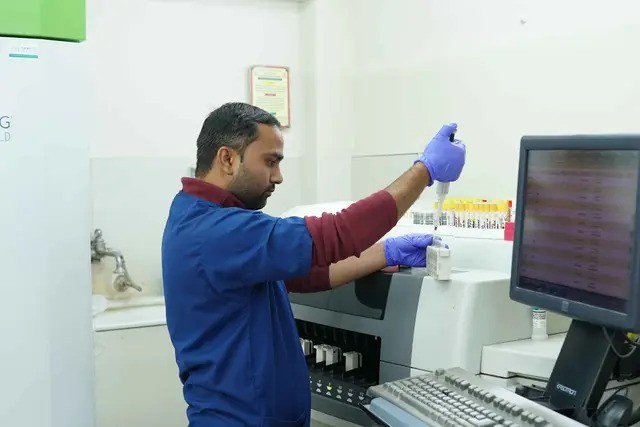
Depending on the situation, doctors may recommend laboratory investigations such as:
Complete Blood Count (CBC): This common blood test measures red blood cells, white blood cells, haemoglobin, and platelets.
Peripheral Blood Smear: A laboratory specialist examines blood cells under a microscope to identify unusual shapes, sizes, or appearances.
Iron and Vitamin Tests: These investigations help identify certain nutritional deficiencies that may contribute to anaemia.
Specialised Testing: Depending on the suspected condition, doctors may recommend haemoglobin analysis, clotting tests, genetic investigations, or bone marrow examinations.
Patients should follow medical advice and avoid starting supplements or treatments without understanding the underlying cause of their symptoms.
Supporting Patients Through Long-Term Care
Some blood disorders require continuing treatment, which can affect a patient's daily routine, education, employment, and family responsibilities. Regular medical appointments and treatment expenses may also create emotional and financial pressure.
A strong support system can help patients manage these challenges. Families can assist by maintaining treatment schedules, attending medical appointments, and encouraging healthy communication with healthcare professionals.
Nonprofit organisations and patient welfare groups can also contribute by promoting awareness, supporting access to healthcare services, and helping communities understand the needs of people living with chronic conditions.
It is important to treat patients with dignity and avoid discrimination based on their medical conditions. Emotional support and an inclusive environment can make a meaningful difference in their overall well-being.
How Communities Can Contribute
Improving blood health awareness requires participation from individuals, healthcare institutions, educational organisations, and community groups.
People can contribute in several practical ways:
Learn about common blood disorders through reliable medical sources.
Encourage family members to seek medical advice when unusual symptoms persist.
Donate blood through recognised centres if they meet the eligibility requirements.
Support credible patient welfare organisations.
Share accurate health information and avoid spreading medical misinformation.
Participate in awareness campaigns and community health activities.
Voluntary blood donation is particularly important for patients who require transfusions. Safe donation practices, appropriate donor screening, and proper laboratory testing help maintain a reliable blood supply.
Conclusion
Blood disorders can affect people in different ways, but accurate information, timely diagnosis, and appropriate medical care can help improve patient outcomes. Understanding the functions of blood components and recognising possible warning signs encourages people to take their health seriously.
Families, healthcare professionals, nonprofit organisations, and community members all have a role in supporting individuals affected by these conditions. Through education, responsible blood donation, and compassionate patient care, communities can help create a stronger healthcare support system for people living with blood disorders.













Facebook Conversations