
What Are the Biggest Challenges When Working on Restricted Sites?
suitable equipment choices can help overcome access

Working on restricted construction sites requires more planning than standard earthmoving projects. Limited access, narrow working areas, overhead obstacles, underground services, and nearby structures can make even straightforward excavation work difficult. Operators must consider these conditions before bringing machinery onto the site. Choosing unsuitable equipment can create delays, increase safety risks, and make routine tasks harder to complete.
Restricted sites are common in urban construction, residential developments, roadworks, and infrastructure projects. Contractors need machinery that fits the available space without compromising productivity. Understanding the challenges beforehand helps project managers select suitable equipment and organise work more effectively.
1. Limited Access for Heavy Machinery
One of the biggest challenges is getting machinery onto the site. Narrow driveways, restricted entrances, temporary access roads, and nearby buildings can prevent larger equipment from reaching the working area.
Contractors need to measure entrance widths, turning spaces, ground conditions, and available clearance before arranging equipment delivery. A machine that fits the excavation requirements might still be unsuitable if it cannot reach the work area.
Smaller machinery can make a significant difference in these situations. PQRS offers mini excavators from 1 to 8 tonnes with zero-swing options and rubber tracks. These features can help contractors work within tighter spaces while managing access limitations.
2. Working Around Existing Structures and Services
Excavation near existing buildings, fences, roads, and underground utilities requires careful control. Operators must avoid damaging surrounding infrastructure while completing the required digging work.
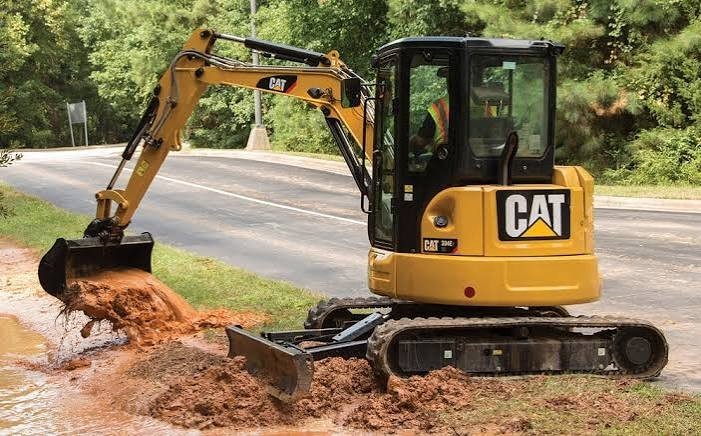
A cat excavator can be suitable for certain excavation tasks, but choosing the correct machine size and configuration matters more than selecting a particular brand. Contractors should assess the available clearance, digging depth, operating radius, and proximity of underground services before starting work.
Some important precautions include:
Check underground service locations before excavation begins.
Identify overhead powerlines and other clearance restrictions.
Maintain safe distances from existing structures.
Establish clear working boundaries around excavation areas.
Use suitable attachments for the planned ground conditions.
PQRS provides CAT excavators within its 10 to 35-tonne equipment range. Contractors can review available machine configurations before deciding what suits their project.
3. Managing Equipment Movement in Tight Spaces
Restricted sites often leave little room for machinery to turn, reposition, or move materials. Multiple machines working together can make these conditions even more complicated.
Poor equipment positioning can interrupt other site activities and create unnecessary movement. Contractors should plan machine routes, loading areas, and designated working zones before operations begin.
A practical approach includes:
Keep access routes clear throughout the project.
Separate machinery movement from pedestrian areas.
Plan material collection and unloading locations.
Avoid unnecessary machine repositioning.
Coordinate equipment movements between operators.
PQRS offers skid steers for hire that can support material handling and site preparation where suitable access is available.
4. Maintaining Safety Around Other Workers
Restricted working areas leave less room for mistakes. Workers, delivery vehicles, nearby residents, and other contractors may all operate close to excavation machinery.
Clear communication becomes essential when visibility is limited. Operators should understand the site traffic arrangements and follow established exclusion zones. Daily equipment checks and documented safety procedures also help identify potential problems before work begins.
PQRS supplies equipment with safety features including emergency stops, rotating beacons, reflective tape, fire extinguishers, and UHF radios. Contractors can review these features on its mini excavator hire page.
5. Choosing Equipment That Matches the Site
Selecting machinery based only on excavation depth or digging capacity can lead to problems. Contractors must consider access, ground conditions, available operating space, attachment requirements, and the type of work involved.
For example, bobcat hire may suit projects involving material movement, site clearing, and preparation. Excavation work may require a different machine depending on ground conditions and digging requirements. PQRS offers Bobcat skid steers alongside its wider earthmoving equipment range.
Conclusion
Restricted construction sites demand careful equipment selection and practical planning. Limited access, existing structures, equipment movement, and worker safety can all affect project progress. Contractors should assess these challenges before arranging machinery for their next job.
PQRS provides a range of excavators, mini excavators, and skid steers for different site requirements. Explore the available equipment for hire or contact the team to discuss suitable machinery for your project.













Facebook Conversations